Common Causes of Cracks in Commercial Concrete Slabs
To address common causes of cracks in commercial concrete slabs, local contractors can assess the damage and provide expert repair solutions to restore stability and safety.
Understanding the common causes of cracks in commercial concrete slabs is essential for property owners looking to maintain the safety and longevity of their investment. Cracks can develop for a variety of practical reasons, including soil movement beneath the slab, improper mixing or curing during installation, and exposure to fluctuating temperatures. Recognizing these factors helps property owners identify potential issues early and explore repair options before minor cracks become major structural concerns. Local contractors experienced in commercial concrete slab crack repair can assess the specific causes affecting a property and recommend appropriate solutions to restore integrity and prevent future damage.
For property owners in the area, exploring the root causes of cracks is a practical step toward protecting their facilities and ensuring smooth operation. Cracks resulting from settlement, heavy loads, or inadequate reinforcement are common challenges that local service providers are equipped to address. By understanding these common issues, property owners can better evaluate when professional crack repair services are needed. Connecting with trusted local contractors ensures that repairs are handled efficiently and effectively, helping to extend the lifespan of the concrete slabs and maintain a safe, functional environment.
- Commercial concrete slab crack repair services are often needed when settlement causes cracks in existing slabs, and local contractors assess the extent of damage to determine appropriate repair methods.
- When temperature changes lead to cracking in commercial slabs, local pros evaluate the severity and apply expansion joint repairs or crack sealing to restore integrity.
- Heavy loads or repeated traffic can cause cracks in commercial concrete, prompting local service providers to perform structural assessments and targeted repairs.
- Poor soil preparation or inadequate subgrade support frequently result in cracks, and local contractors address these issues through slab stabilization and crack injection techniques.
- Age-related deterioration of concrete surfaces may lead to cracking, with local pros offering surface patching and crack sealing to prolong the lifespan of the slab.
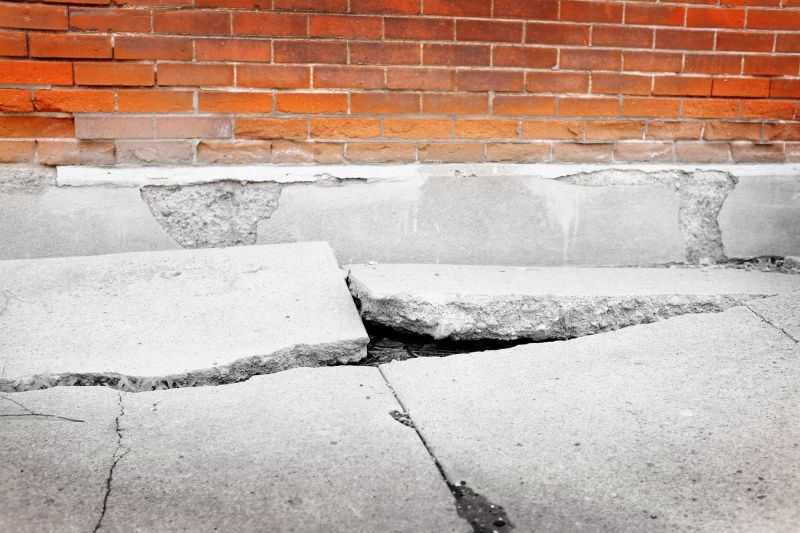
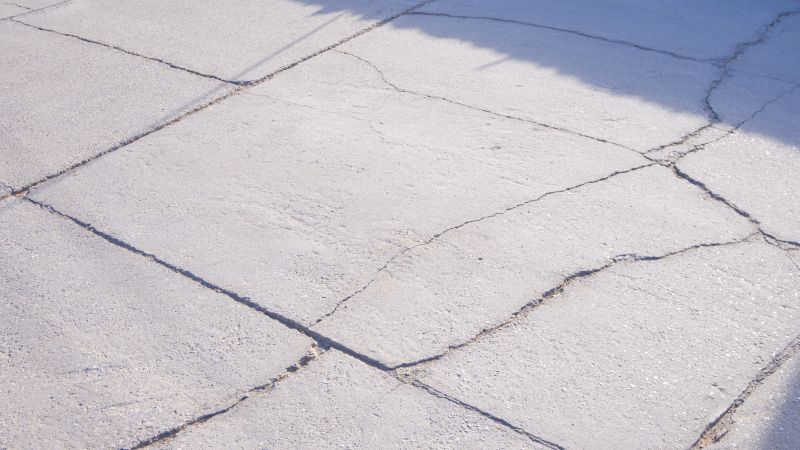
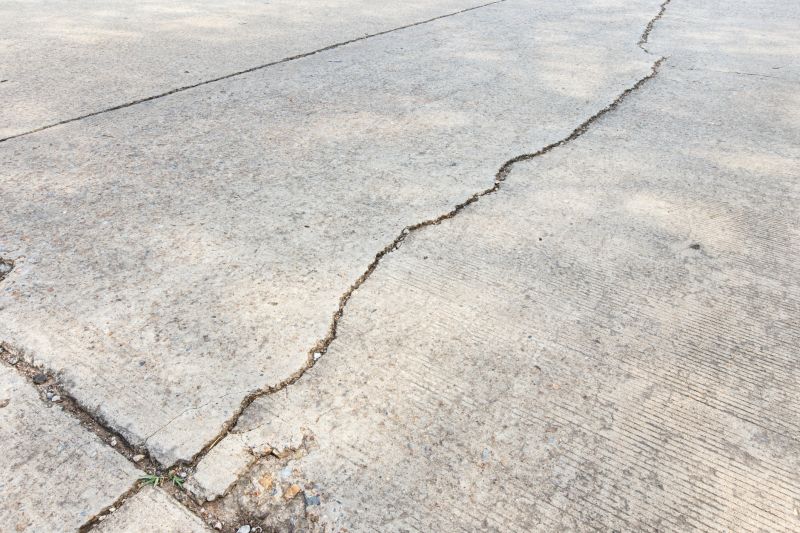
Understanding the common causes of cracks in commercial concrete slabs helps property owners identify potential issues early and plan appropriate repairs. When searching for this topic, many people are usually concerned about the structural integrity of their commercial properties, such as warehouses, retail centers, or office buildings. Cracks can develop over time due to various factors, leading to concerns about safety, ongoing maintenance costs, and the longevity of the concrete. Recognizing the root causes of these cracks allows property managers and business owners to make informed decisions about repair strategies and ongoing care, often involving local contractors who specialize in commercial concrete slab repair.
The problems associated with cracks in commercial concrete slabs often relate to the initial construction process, environmental conditions, or ongoing structural stresses. For example, improper compaction during installation can create weak points that develop into cracks over time. Similarly, exposure to freeze-thaw cycles, moisture infiltration, or temperature fluctuations can cause concrete to expand and contract, resulting in surface or deep-seated cracks. Structural overloading or settlement can also lead to cracking, especially if the foundation beneath the slab shifts or sinks unevenly. These issues are common in properties with large, flat concrete surfaces that experience regular use or environmental exposure, making timely assessment and repair essential to prevent further damage.
Properties that typically experience these issues include commercial facilities with expansive concrete surfaces, such as parking lots, loading docks, and warehouse floors. These areas are especially vulnerable due to their size and the constant stress from vehicle traffic, heavy equipment, or environmental factors. Older buildings with less advanced construction methods or those subjected to prolonged exposure to moisture are also more prone to cracking. When cracks appear, they can compromise the safety and functionality of the property, making it crucial to work with experienced service providers who understand the unique demands of commercial concrete slabs. Local contractors specializing in crack repair can evaluate the severity of the damage and recommend suitable solutions to restore the slab’s integrity.
For property owners, understanding the common causes of cracks in commercial concrete slabs connects directly to planning repairs and maintenance. Recognizing whether cracks are caused by settlement, environmental factors, or improper installation helps determine the appropriate repair approach and whether ongoing preventative measures are needed. Engaging with local pros who have experience in commercial concrete repairs ensures that the right techniques are used to address specific issues effectively. These professionals can assess the extent of damage, recommend suitable repair methods-such as epoxy injections, slab leveling, or joint sealing-and help restore the safety and durability of the concrete surface. Connecting with experienced service providers ensures that repairs are performed correctly and that the property remains functional for years to come.
Industrial flooring installation - professionals in this field work with concrete slabs and understand issues related to cracking caused by improper mixing or curing processes.
Parking lot construction - local contractors experienced in large-scale concrete projects can address foundational causes of cracks that affect commercial parking areas.
Warehouse slab repair - specialists in repairing and maintaining concrete floors in warehouses are familiar with common cracking patterns and their causes.
Sidewalk and curb installation - experts who install outdoor concrete features understand the impact of ground movement and environmental factors on cracking.
Foundation and footing services - providers in this area handle concrete work that requires planning for soil movement and load stresses that can lead to cracks.
Industrial slab replacement - local service providers who replace or retrofit damaged slabs are skilled in diagnosing and addressing issues related to cracking causes.
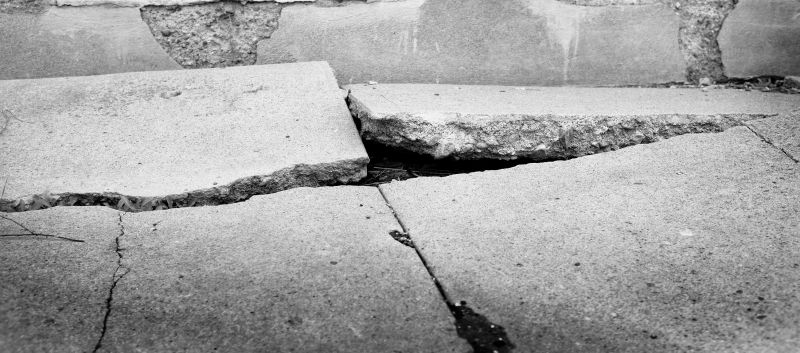
When evaluating potential service providers for commercial concrete slab crack repair, it is important to consider their experience with similar projects. Contractors who have handled cracks caused by common issues such as settlement, temperature changes, or improper curing are more likely to understand the underlying causes and recommend effective solutions. Asking for examples of past work or references related to commercial slabs can provide insight into their familiarity with the specific challenges associated with cracks in these structures. A contractor's ability to address common causes of cracks in commercial concrete slabs demonstrates their expertise and increases the likelihood of a successful repair.
Clear written expectations are essential when comparing local contractors for crack repair services. A detailed scope of work should outline the specific repair methods, materials used, and any preparation or follow-up steps involved. This transparency helps ensure that both parties share a mutual understanding of the project, reducing potential misunderstandings or surprises. When reviewing proposals, it’s beneficial to look for service providers who communicate their process clearly and provide written documentation that aligns with the unique needs of commercial concrete slabs, particularly those affected by common causes of cracking.
Reputable references and good communication are key factors in choosing the right contractor for crack repair. Service providers with positive references from previous commercial clients can offer reassurance about their reliability and quality of work. Additionally, open and responsive communication throughout the project indicates a contractor’s professionalism and commitment to client satisfaction. Ensuring that a contractor is approachable and willing to discuss the causes of cracks, as well as the proposed solutions, can help build confidence in their ability to effectively address issues related to common causes of cracks in commercial concrete slabs.
Property owners often search for common causes of cracks in commercial concrete slabs when they are planning practical projects around their homes and businesses. Local pros provide Commercial Concrete Slab Crack Repair services for everyday jobs and straightforward project options.
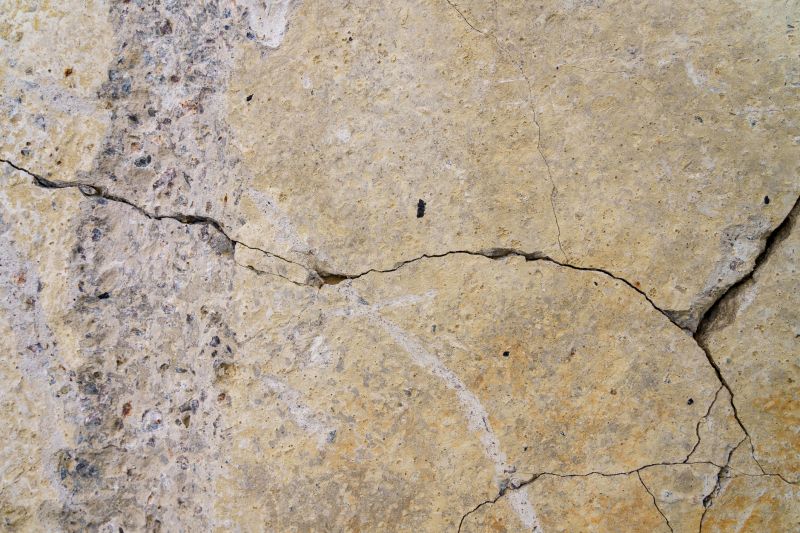
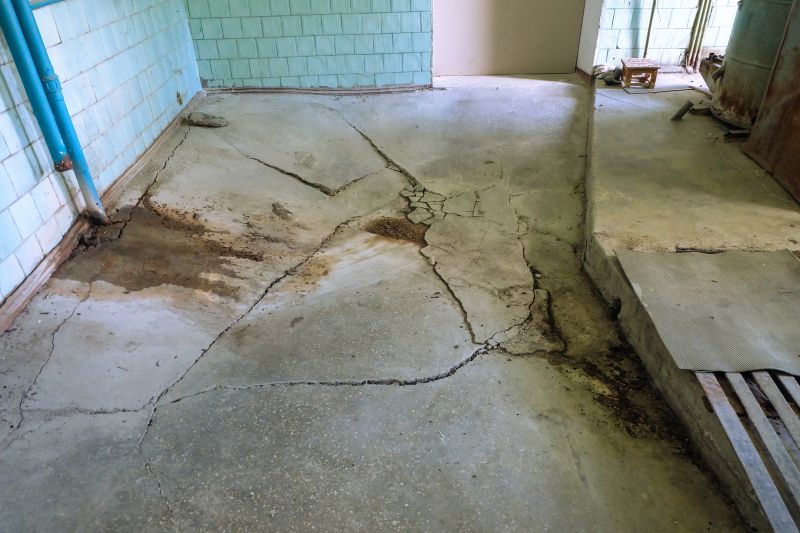
Understanding the common causes of cracks in commercial concrete slabs can help property owners identify potential issues early on. Factors such as improper mixing, inadequate curing, or poor subgrade preparation often lead to cracks forming over time. Additionally, heavy machinery or frequent traffic on the slab can put stress on the concrete, increasing the likelihood of surface or structural cracks. Recognizing these everyday project situations can prompt property owners to seek the expertise of local contractors who specialize in concrete repair, ensuring that issues are addressed before they worsen.
Many cracks in commercial concrete slabs result from natural settling or temperature fluctuations that cause expansion and contraction. Poor drainage around the property can also contribute to moisture infiltration, weakening the slab's foundation and leading to cracks. When these problems occur, experienced service providers in the area can assess the damage and recommend appropriate repair solutions. Connecting with local contractors skilled in concrete crack repair can help maintain the integrity and safety of commercial properties, preventing small issues from escalating into costly repairs.
What are common causes of cracks in commercial concrete slabs? Common causes include soil settlement, improper mixing, and thermal expansion, which can lead to stress and cracking in concrete slabs. Local contractors experienced in concrete repair can assess and address these issues effectively.
How does soil movement contribute to concrete slab cracks? Soil movement, such as shifting or settling beneath the slab, can create uneven support, causing cracks to develop over time. Professional repair services can stabilize the ground and repair affected areas.
Can poor installation practices cause cracks in concrete slabs? Yes, improper placement, insufficient curing, or inadequate reinforcement during installation can lead to cracking. Skilled service providers can evaluate and correct installation-related issues.
What role do environmental factors play in cracking concrete slabs? Temperature fluctuations and moisture changes can cause concrete to expand and contract, resulting in cracks. Local pros can implement repair solutions that accommodate these environmental stresses.
Are cracks caused by structural overloads common in commercial concrete slabs? Overloading the slab beyond its designed capacity can induce stress and lead to cracks. Experienced contractors can determine the cause and perform appropriate repair or reinforcement work.
Soil Settlement - Property owners can work with local contractors to identify and address soil issues before pouring concrete, helping prevent future cracks caused by uneven settling.
Poor Site Preparation - Ensuring proper site prep, such as adequate compaction and moisture control, can reduce the risk of cracks, and local pros can assist with proper groundwork.
Temperature Fluctuations - Understanding temperature effects on concrete can guide the timing of pours, with local service providers helping manage curing conditions to minimize cracking.
Heavy Loads and Stress - Planning for appropriate slab thickness and reinforcement can help withstand heavy equipment, with local contractors providing solutions to reinforce and repair cracks.
If you are thinking about common causes of cracks in commercial concrete slabs for a property, this guide is meant to help you understand this topic, the typical project types, and how different options might fit your plans.
When you are ready, you can use the quote form on this page to share a few details about your project. From there, local pros can review the basics and follow up with options that match what you have in mind.